Oregano is a hardy perennial herb, used in Mexican and Mediterranean cuisine. There are three species, O. vulgare- wild marjoram, O. majorana- sweet marjoram and O. omites- pot marjoram. Fresh oregano is so much nicer than dried, so it is well worth a place in the garden.
Oregano has few pests and diseases, and is drought tolerant once established. It grows best in well drained friable soil, and will tolerate poorer soil. It doesn't like boggy conditions. It can be container grown.
Oregano has been used in medicine, cookery & cosmetics for thousands of years, It has antiseptic, anti-inflammatory & antifungal properties.
 |
| Oregano Leaf |
Marjoram: (Origanum majorana) Labiatae. Perennial
Oregano: (Origanum vulgare) Labiatae. Perennial
Propagation: seeds cuttings. In Spring.
Position: Sunny
Soil: Average, well-drained
Height: marjoram - 45cms oregano - 60cms
Part used: leaves
History:
Oregano was 1st grown in the Mediterranean regions & widely distributed to Asia & North Africa. It was used in houses to give a clean, pleasant smell, in linen closets.
Harvesting & Processing:
The best time to harvest is before the plant is in full flower - summer or early Autumn. Cut the long stems, together with any flower heads, & hang them in bunches in a cool airy place. The leaves tend to fall as they dry. I like to wrap them in a paper bag, tie with elastic band, to catch the leaves. Oregano will stay fresh for months, & most of the times, the dry leaves have more scent dried than fresh. For freezing, chop leaves finely, mix with a little water & put them in ice cube trays in the freezer. Bunches of Oregano may be wrapped in foil, sealed & kept in the freezer for weeks.
Or try this - chop the fresh leaves, pound them into softened butter, allow it to set in the fridge, then cut into squares , seal, & freeze.
Uses :
Culinary: The Greeks call oregano/marjoram rigani, & usually the dried flower tops are used in cooking. Marjoram is usually found mixed with thyme , sage, & basil. On its own, it can be added to fish, egg dishes, vegetable dishes & sauces. Put it in salads, scones, dumplings & clear soups.
Oregano is more pungent dried than fresh. It is used on pizzas, pasta & rice dishes, moussaka, avocado dips, tomato dishes, meat loaf, rissoles, sauces & dressings, with zucchini, capsicum & eggplant. It is often sprinkled on beef, lamb & pork.
Medicinal: The Greek doctors used Oregano, both internally & externally. It is supposed to help with colds, cramps & digestive disorders. A poultice made of the dried leaves & tops can help painful swellings, rheumatism & colic. A tea infusion can help relieve nervous headaches, induces sleep.
Cosmetic: Marjoram will darken hair. Tie sprigs , plop in a muslin bag & place in the bath. Dried leaves can be used in a sleep pillow blend or pot-pourri.
Companion Planting:
Marjoram & Oregano , due to their scent, are useful for all plants in your garden.. specially when the plants are in flower. They attract honey bees. It is said that marjoram fed to cows will prevent abortion. After calving, Marjoram mixed with balm & made into a tea is given to the cow to soothe & strengthen them. If Marjoram is placed next to stinging nettles, it will increase the amount of essential oil.
Part used: leaves
 |
| Oregano Flower |
Description:
These 2 plants are so closely related & their cultivation is so similar, that we can classify them together. In appearance though, they are slightly different. Marjoram leaves are small, soft & grey-green colour, while Oregano leaves are light green & much firmer. Their growing habits are different too. Marjoram is a compact, upright, shrubby plant, while oregano has a dense, spreading habit. The flowers of both are small & white and form tight clusters at the tips of the stems.
Oregano is basically a wild form of marjoram. Oregano is more robust, has a more pungent scent.
Oregano was 1st grown in the Mediterranean regions & widely distributed to Asia & North Africa. It was used in houses to give a clean, pleasant smell, in linen closets.
 |
| Marjoram Flower |
Cultivation:
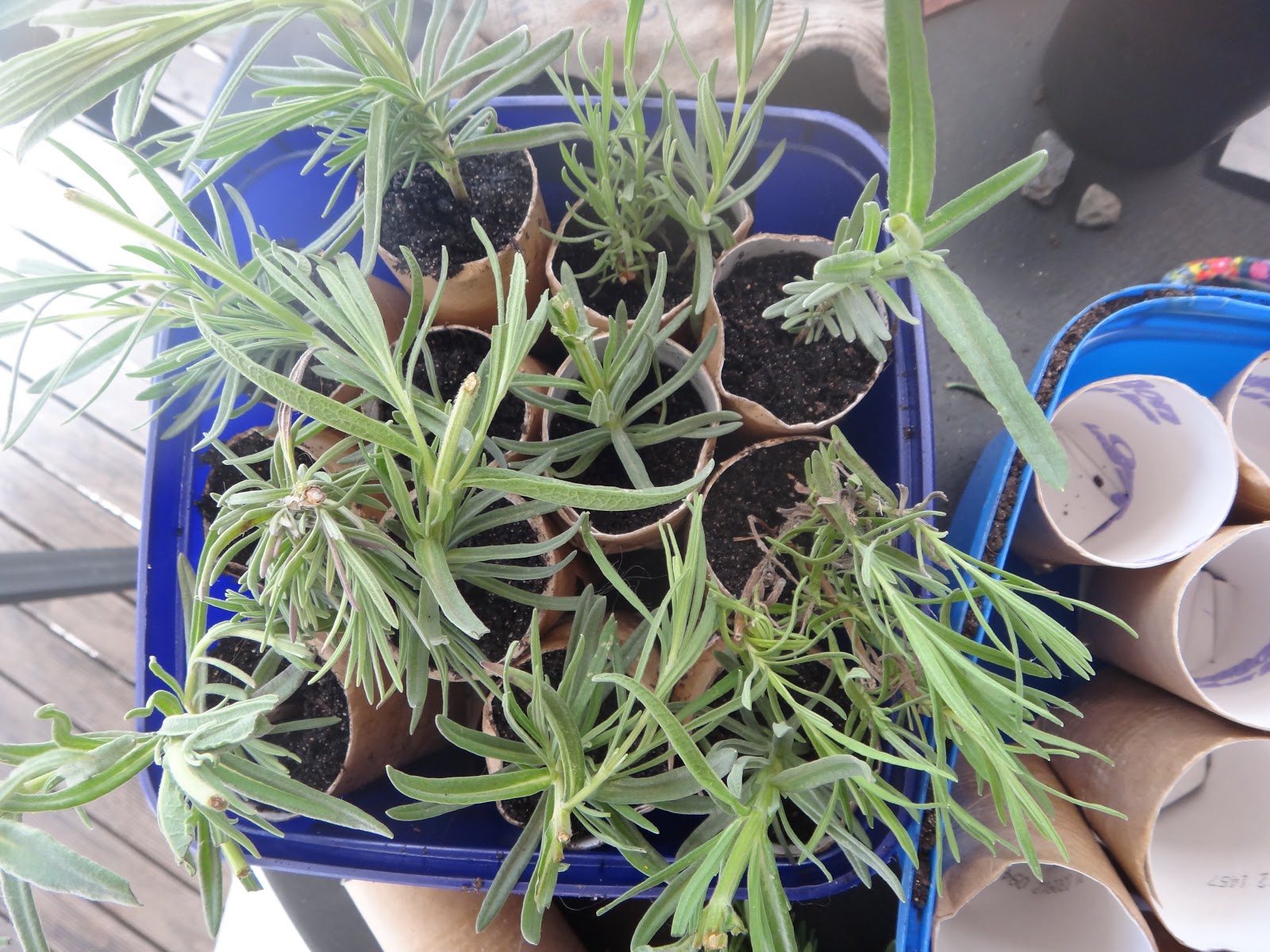
Take cuttings in Spring, new shoots about 8cms long. Place cuttings in coarse river sand. When well-rooted, they can be planted in pots, leaving at least 30cms between the plants.
From seeds, sow in Spring, & plant out when seedlings are 8 cms high.
Both plants tend to get woody as they get older. Try giving the old wood a trim at the end o Winter, early Spring to encourage new growth. After 4 years, you may need to replace the plant.
Harvesting & Processing:
The best time to harvest is before the plant is in full flower - summer or early Autumn. Cut the long stems, together with any flower heads, & hang them in bunches in a cool airy place. The leaves tend to fall as they dry. I like to wrap them in a paper bag, tie with elastic band, to catch the leaves. Oregano will stay fresh for months, & most of the times, the dry leaves have more scent dried than fresh. For freezing, chop leaves finely, mix with a little water & put them in ice cube trays in the freezer. Bunches of Oregano may be wrapped in foil, sealed & kept in the freezer for weeks.
 |
| Marjoram bush |
Uses :
Culinary: The Greeks call oregano/marjoram rigani, & usually the dried flower tops are used in cooking. Marjoram is usually found mixed with thyme , sage, & basil. On its own, it can be added to fish, egg dishes, vegetable dishes & sauces. Put it in salads, scones, dumplings & clear soups.
Oregano is more pungent dried than fresh. It is used on pizzas, pasta & rice dishes, moussaka, avocado dips, tomato dishes, meat loaf, rissoles, sauces & dressings, with zucchini, capsicum & eggplant. It is often sprinkled on beef, lamb & pork.
Medicinal: The Greek doctors used Oregano, both internally & externally. It is supposed to help with colds, cramps & digestive disorders. A poultice made of the dried leaves & tops can help painful swellings, rheumatism & colic. A tea infusion can help relieve nervous headaches, induces sleep.
Cosmetic: Marjoram will darken hair. Tie sprigs , plop in a muslin bag & place in the bath. Dried leaves can be used in a sleep pillow blend or pot-pourri.
Companion Planting:
Marjoram & Oregano , due to their scent, are useful for all plants in your garden.. specially when the plants are in flower. They attract honey bees. It is said that marjoram fed to cows will prevent abortion. After calving, Marjoram mixed with balm & made into a tea is given to the cow to soothe & strengthen them. If Marjoram is placed next to stinging nettles, it will increase the amount of essential oil.
Mediterranean Lemon and Oregano Chicken
Ingredients
Serves: 6
- 1 lemon
- 2 teaspoons dried oregano
- 3 cloves garlic, minced
- 1 tablespoon olive oil
- 1/4 teaspoon salt
- 1/4 teaspoon ground black pepper
- 6 chicken legs or breasts